IT IS THE IDEA OF A VIRTUAL SPACE IN WHICH INFORMATION AND DOCUMENTATION ON TECHNIQUES, INTERVENTION METHODS, EXPERIMENTS AND STUDIES CONDUCTED OVER MANY YEARS OF WORK AND RESEARCH, INCLUDING IN THE ACADEMIC FIELD, ARE AVAILABLE TO THE PUBLIC.
IT IS THE IDEA OF A VIRTUAL SPACE IN WHICH INFORMATION AND DOCUMENTATION ON TECHNIQUES, INTERVENTION METHODS, EXPERIMENTS AND STUDIES CONDUCTED OVER MANY YEARS OF WORK AND RESEARCH, INCLUDING IN THE ACADEMIC FIELD, ARE AVAILABLE TO THE PUBLIC.
We believe it is valuable and useful to share a significant portion of our accumulated experience and make it available to our current and potential partners. By accessing the various sections, you can view, download, or simply read the extensive amount of information and documentation we have produced.
We look forward to engage in dialogue and exchanging experiences for mutual enrichment. Best wishes for your work!"
We believe it is valuable and useful to share a significant portion of our accumulated experience and make it available to our current and potential partners. By accessing the various sections, you can view, download, or simply read the extensive amount of information and documentation we have produced.
We look forward to engage in dialogue and exchanging experiences for mutual enrichment. Best wishes for your work!"
THE ROLE OF TECHNOLOGIES, AND IN PARTICULAR DIGITAL TECHNOLOGIES, IN THE WORLD OF RESTORATION AND CONSERVATION IS BECOMING INCREASINGLY IMPORTANT. THIS IS WHY WE HAVE DECIDED TO LOOK AT THIS WORLD WITH GREAT ATTENTION.
Just think of the use of drones, sensors and laser technologies. There are many instruments and devices that enable important operational developments and new opportunities, even in the field of restoration. These tools offer unprecedented possibilities, multiplying the skills and potential of those who work with them. In this area of the website, we discuss the technological applications we have adopted, the opportunities they can create and the solutions we are able to offer thanks to them.
Gasparoli is significantly improving its hardware and software equipment to optimise on-site activities.
Timely communications and remote control, digital computational management, survey scanners and 3D printing are some of the technological innovations that the company makes available to its customers.
THE ROLE OF TECHNOLOGIES, AND IN PARTICULAR DIGITAL TECHNOLOGIES, IN THE WORLD OF RESTORATION AND CONSERVATION IS BECOMING INCREASINGLY IMPORTANT. THIS IS WHY WE HAVE DECIDED TO LOOK AT THIS WORLD WITH GREAT ATTENTION.
Just think of the use of drones, sensors and laser technologies. There are many instruments and devices that enable important operational developments and new opportunities, even in the field of restoration. These tools offer unprecedented possibilities, multiplying the skills and potential of those who work with them. In this area of the website, we discuss the technological applications we have adopted, the opportunities they can create and the solutions we are able to offer thanks to them.
Gasparoli is significantly improving its hardware and software equipment to optimise on-site activities.
Timely communications and remote control, digital computational management, survey scanners and 3D printing are some of the technological innovations that the company makes available to its customers.
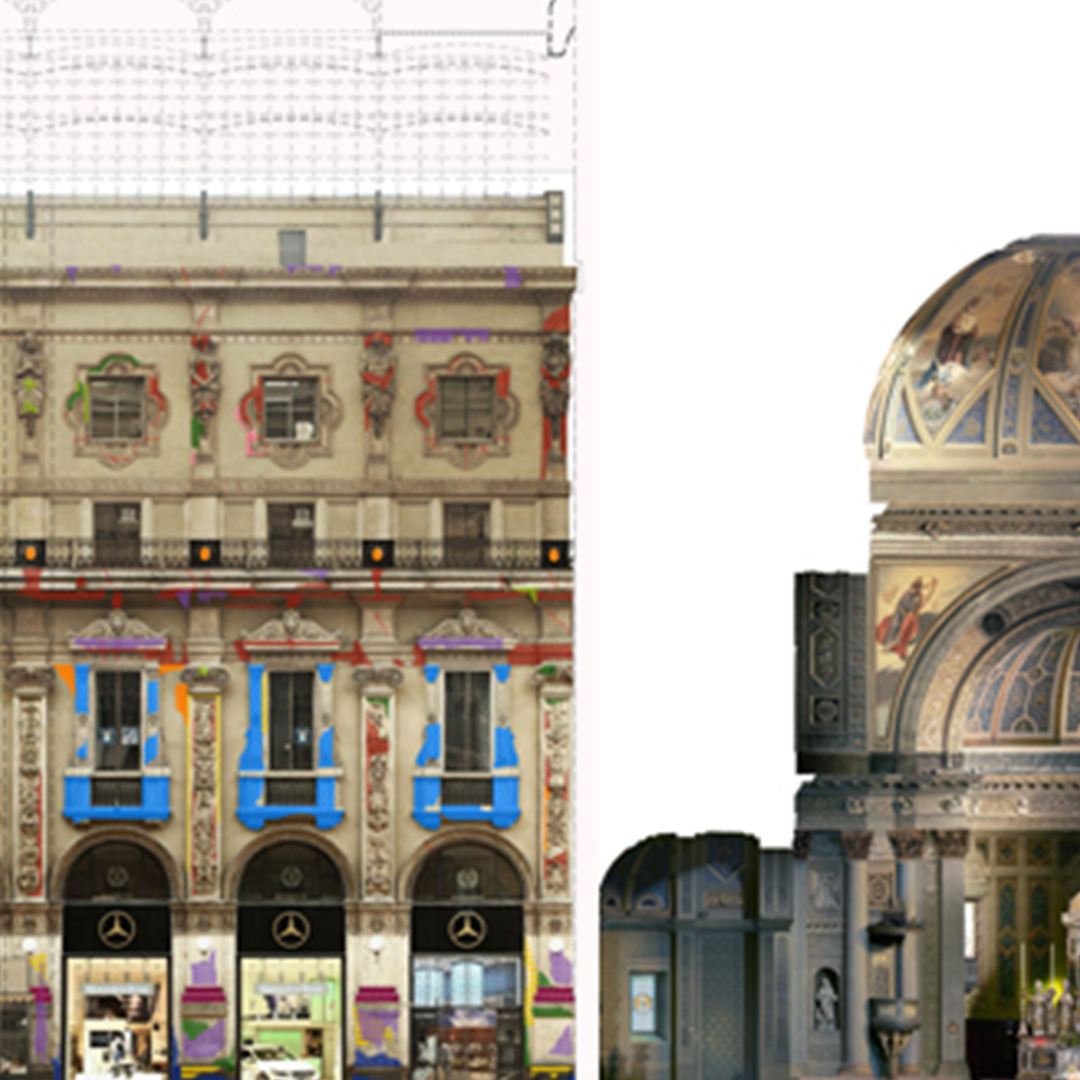
Automatic digital photogrammetry and laser scanner surveying are methods that allow a three-dimensional model to be created from digital photographs. These are technologies that Gasparoli uses for a precise and detailed analysis of the conditions of conservation, recording and measurement of interventions.
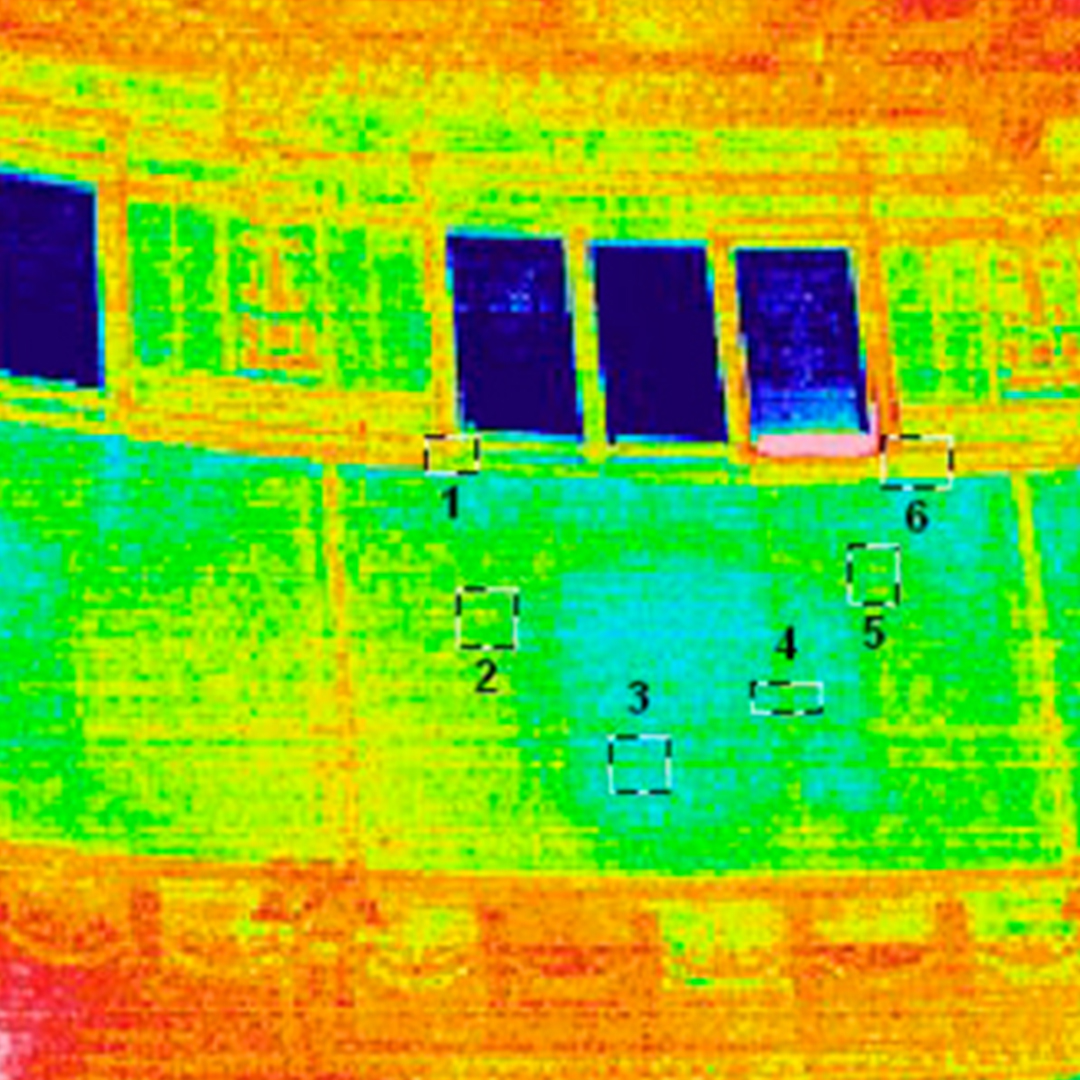
Thermograms provide thermal maps that show, with color gradations, the temperature of material surfaces and the possible presence of moisture, detachment of coatings from the substrate, and heat loss.
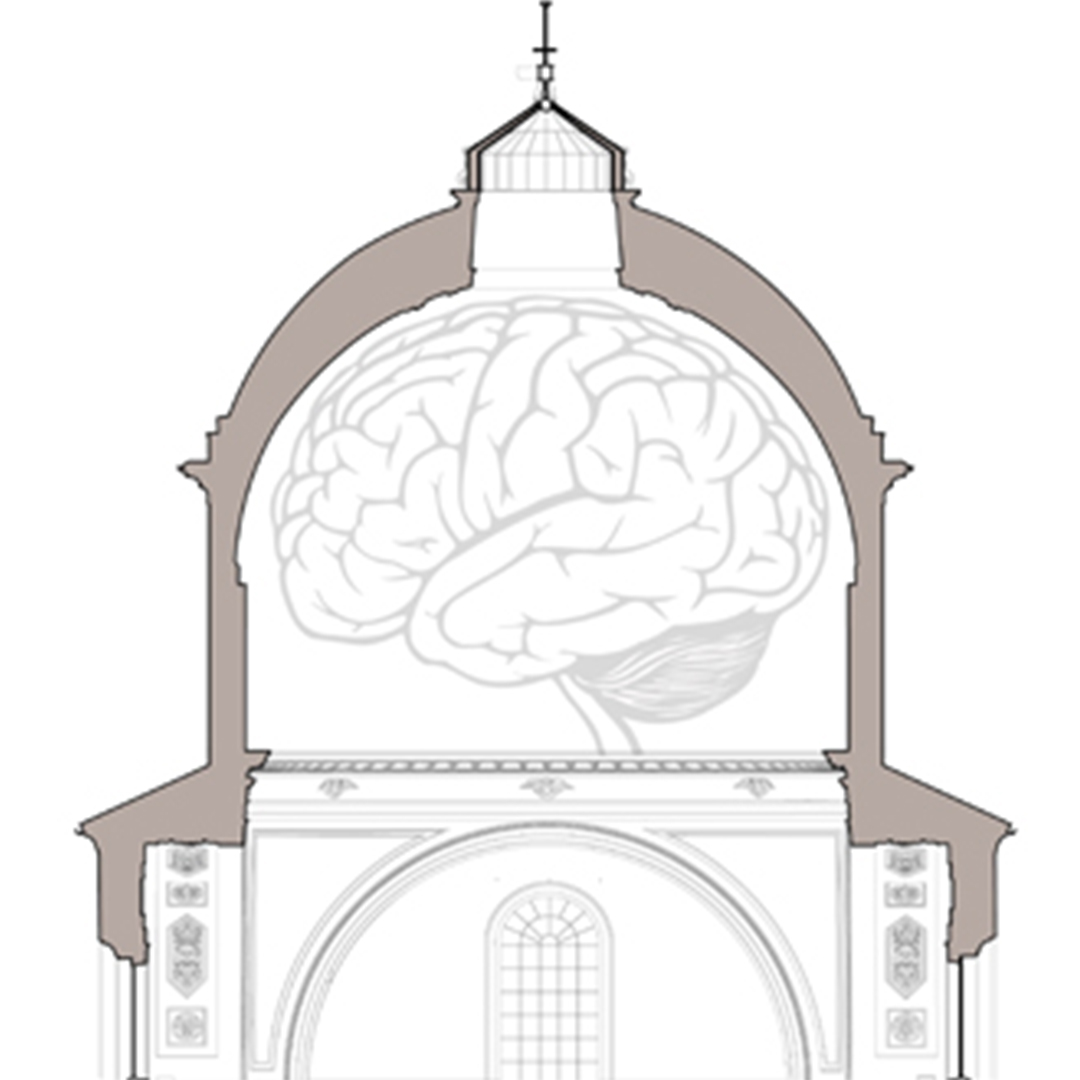
The cultural heritage maintenance sector has reached a significant degree of maturity in its reference principles and operating procedures. At the same time, we are seeing increasingly frequent use of sensor systems for digital control and management of buildings, known as smart buildings.
The 'Smart Preservation' research program aims to investigate the application of innovative technologies in the cultural heritage sector in order to monitor micro-environmental, mechanical and chemical-physical parameters representative of risk conditions or the activation of degradation processes for timely intervention.
The cultural heritage maintenance sector has reached a significant degree of maturity in its reference principles and operating procedures. At the same time, we are seeing increasingly frequent use of sensor systems for digital control and management of buildings, known as smart buildings.
The 'Smart Preservation' research program aims to investigate the application of innovative technologies in the cultural heritage sector in order to monitor micro-environmental, mechanical and chemical-physical parameters representative of risk conditions or the activation of degradation processes for timely intervention.
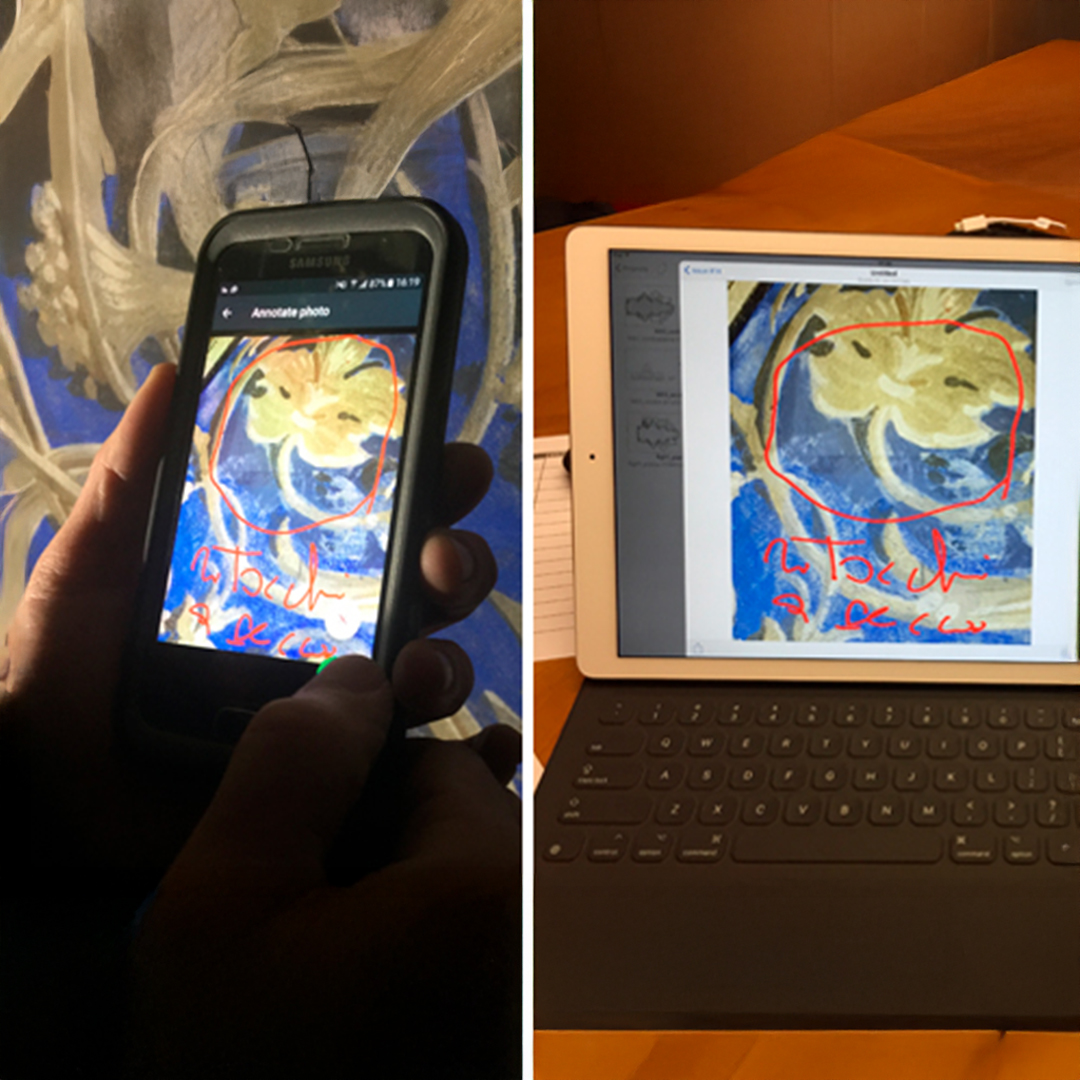
The need to continuously monitor the construction site in terms of quality and productivity – especially in the case of sites abroad or far from headquarters – has led the company to develop a remote control system through which, from headquarters or any other location, it is possible to query and visually check the progress of the work and the level of quality achieved. The new potential offered by digital devices (tablets, smartphones and related software applications) allows for real-time management of processes, calculations, schedules and accounting records.