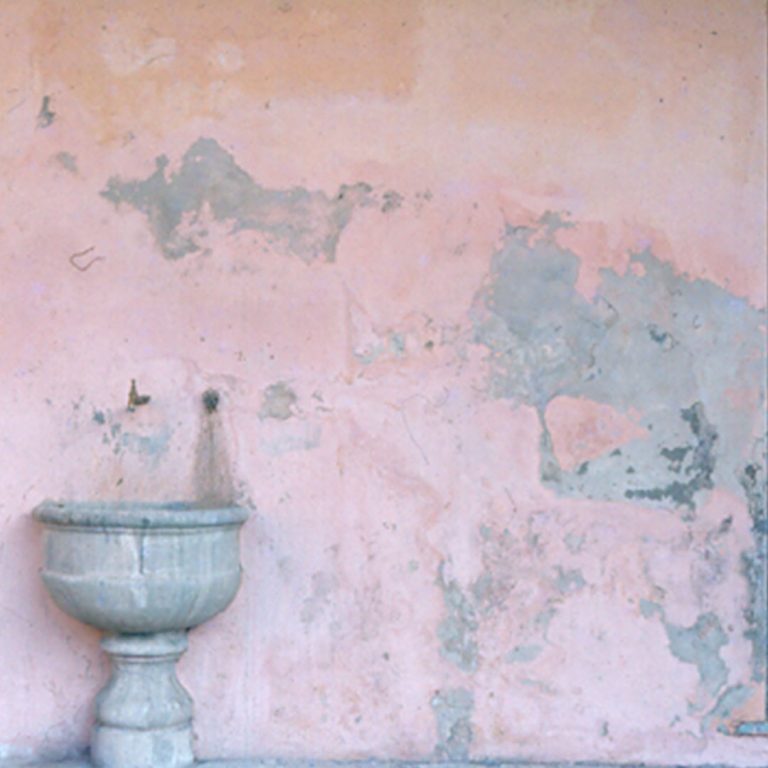
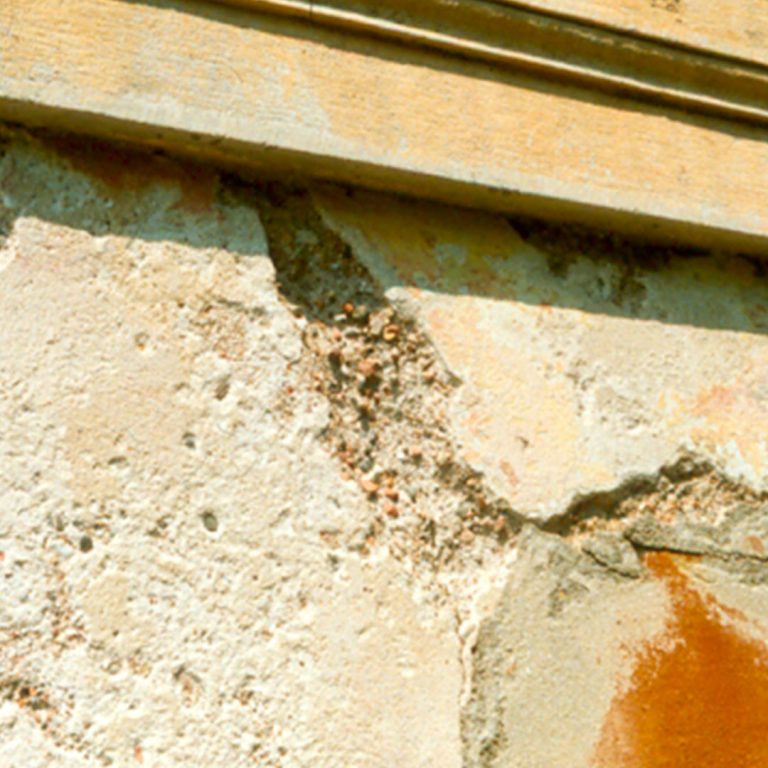
The posting, defined as a solution of continuity between the surface layers of the material, both between them and the substrate, is a common problem and serious Historical plasters. This phenomenon generally preudes the fall of the layers themselves, resulting in a loss of material and, in the case of historical plasters, a significant decrease in document, technological and symbolic value of the building. The loss of matter in a historical plaster involves the loss of signs and meanings of documentary, technological and symbolic value, such as aging, patina, old age and authenticity.
The causes of posting historical plasters can be multiple and often interconnected. One of the main inadequate preparation of the medium. In order to facilitate the adhesion between the support and the coating, the surfaces to be plastered must be slightly rough. In the case of particularly smooth supports, scratching and engravings or the use of grippers were to be used. A non-clean masonry free from traces of dust, grease, saline efflorescence or oils compromises adhesion. Also the presence of inconsistent, friable or poorly consistent parts in the support can lead to the detachment of the plaster. I structural movements are another determining factor. Assets, differential breakdowns of the structure or movements due to thermal variations may generate voltages that exceed the adhesion capacity of the plaster to the support or between the different layers of the plaster itself.
Thehumidity is one of the main causes of detachment. Humidity from the soil, such as capillary rise, from Infiltration or condensation can weaken the bond between plaster and support and promote the formation of soluble salts which, crystallizing, exert internal pressures causing detachments. The limit zone between wet and dry is often the most prone to degradation. L‘incompatibility of materials used is an additional factor affecting the stability of the plaster. The use of mortars or plasters of restoration with physico-chemical characteristics significantly different from those of the original historical plasters can lead to problems of adhesion and detachment over time. The application of concrete cortical layers on lime-based plasters is an example of incompatibility that can cause detachments. Also execution errors, such as an incorrect drawing of the plaster layers, excessive thickness of a single layer, a lack or insufficient wetting of the support prior to application or poor performance of the joints, may favour detachment. Finally, the intrinsic degradation of constituent materials may lead to loss of internal cohesion and loss of support.
Early detection of detachment is essential to prevent material loss. Detection techniques include visual observation, manual typing and thermographic investigation.
Visual observation allows you to locate rswelling, superficial cracking delimiting raised areas or areas with different colours, indicators of incipient detachment. The manual typing, Gently beating the surface of the plaster with a hard rubber hammer, allows you to recognize a deaf sound, signal from presence of a vacuum between plaster and support. Thethermographic survey highlights the areas of detachment using the different thermal conductivity of the air between the plaster and the support compared to the adhesive material. Detachment in historical plaster has significant implications, including the loss of original material, damage of underlying layers or decorations, loss of historical information and material culture and security risks. The loss of plaster portions entails a physical loss of historical matter, while the fall of the plaster may affect any pictorial or decorative layers below. Historical plasters contain valuable information on construction techniques, on historical stages of the building, decorative changes and material culture of time. The detachment and subsequent loss of these plasters impoverish the building’s documentary heritage. Moreover, the fall of detached plaster fragments can pose a risk for the safety of users and passersby. The treatment of detachment in historical plasters mainly aims to Restoring membership between the detached plaster and the wall support. The Main technique is the consolidation in depth using adhesive maltine injections. The general procedure provides for the delimitation of the detached areas, the preparation of the detached plaster, the drilling of the plaster, the cleaning of the holes, the injection of the adhesive maltina, the sealing of the holes and the possible short reaggregation. It is essential to emphasize that any intervention on detached historical plasters must be preceded by a accurate diagnosis of the causes of degradation and an in-depth knowledge of the original materials to be able to choose the most appropriate techniques and materials of intervention and respectful of the historical and cultural value of the building. Correct interventions or incompatible materials may further impair the preservation of the historical plaster. The distinguishability of restoration interventions is an important principle, but in the case of the restoration of membership, the primary objective is the preservation of the original material, minimizing visual alterations.